
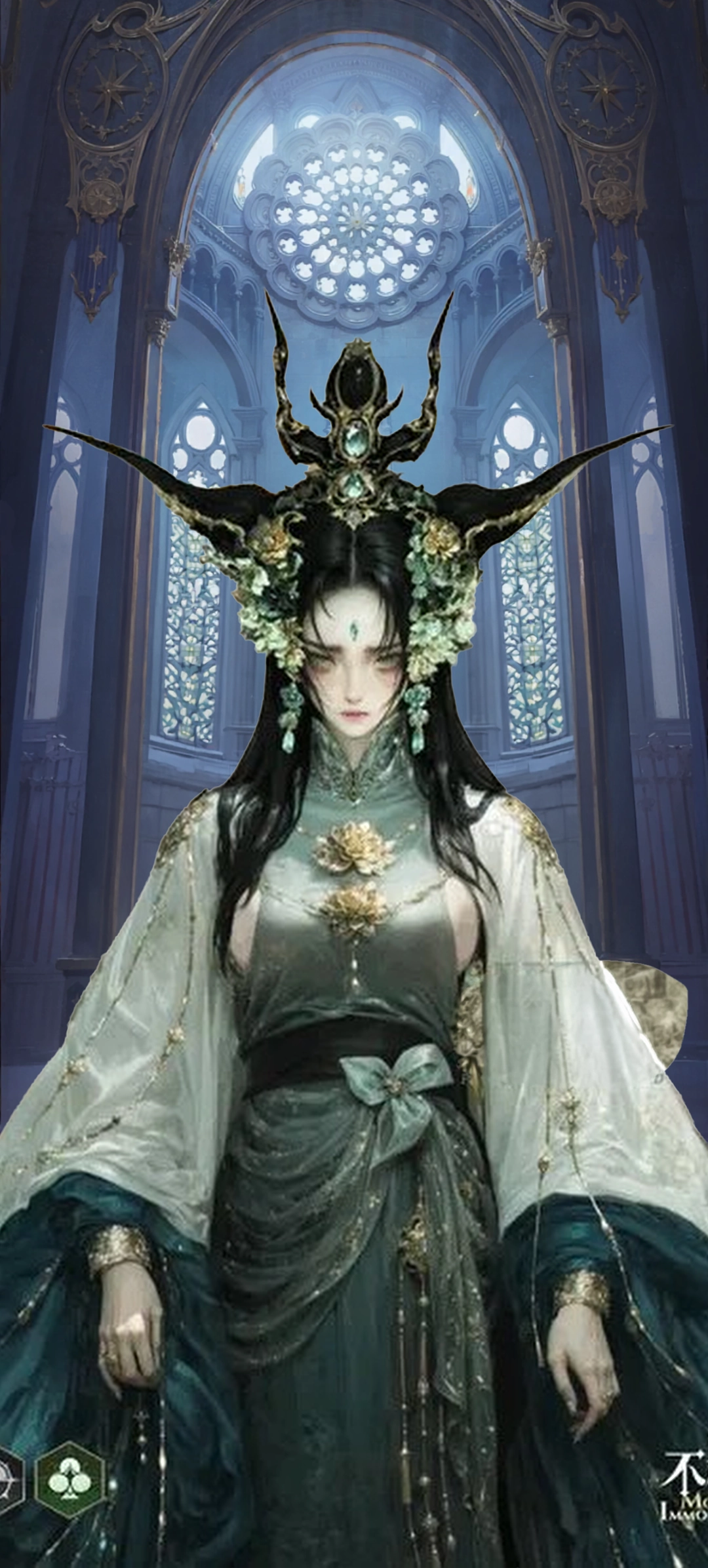
Nuba
"The world fears, banishes, and curses me. But I just don't understand what I've done wrong."
 Clubs Faction
 Warrior
Nuba, the Goddess of Drought, appears to be a Warrior of the Club faction whose entire kit revolves around a unique debuff called Crimson Doom Mark. She appears to be a sustained-pressure hybrid — part debuffer, part disabler, part scaling control anchor — who could work by marking enemies, draining their resources, and punishing them for carrying her mark.
Unlike most Warriors who deal straightforward burst damage, Nuba could layer multiple stacking debuffs over time while simultaneously reducing enemy effectiveness and amplifying her own follow-up damage. Her passive resurrection mechanic via Rise of the Drought could give her unexpected survivability in extended fights.
As a Club faction hero, Nuba could scale strongly when fielded alongside other Club heroes — the faction bonus grants stacking ATK and HP to the whole team, potentially reinforcing a protected backline scaling role rather than a primary tank role.
Fielding multiple Club faction heroes grants the entire team bonus ATK and HP. Thresholds:
- 3 Club heroes: +15% ATK & HP for the team
- 3 + 2 (mixed): +25% ATK & HP for the team
- 4 Club heroes: +30% ATK & HP for the team
- 5 Club heroes: +35% ATK & HP for the team — maximum bonus
Based on skill mechanics, Nuba could benefit from sustained HP (enabling her revive to matter more) and amplified ATK (making her Stun windows hit harder). Maximizing the Club faction count could strengthen her kit.
- Applied to enemies at the start of battle passively via her Ultimate passive, and re-applied to the nearest enemy whenever the Ultimate activates.
- Marked enemies deal reduced damage — confirmed by both Curse of Decay and Rite of Ashes.
- When a Doom Mark expires naturally ("falls"), it drains the target's essence and spawns a Source of the Drought Devil at the target's location.
- Every time Nuba casts her Ultimate, all marked enemies permanently lose ATK SPD — this effect stacks with each Ultimate cast.
- Skill 1 (Infernal Soulbreaker) deals bonus damage and Stuns targets that carry the mark.
- The Source of the Drought Devil serves as a revive token — consumed by Rise of the Drought to bring Nuba back to life at her current position.
 Siphon of Souls Ultimate
 Passive component: At the start of battle, inflicts Crimson Doom Mark on enemies, dealing damage to the host and destroying their Energy. When a Doom Mark expires, it drains the target's essence and transforms into a Source of the Drought Devil at the target's location.
Active component: Upon activation, inflicts Crimson Doom Mark on the nearest enemy, disabling them, dealing damage, and absorbing their Energy.
 Curse of Decay Relic
 Enemies infested with Crimson Doom Mark deal less DMG. Each time Nuba casts her Ultimate, all enemies infested with Crimson Doom Mark permanently lose ATK SPD.
 Infernal Soulbreaker Skill 1
 Deal damage to an enemy and interrupt them. If the target has Crimson Doom Mark, the skill deals higher damage and Stuns the target instead of simply interrupting.
 Rise of the Drought Skill 2
 Lv4: When Nuba falls in battle, she consumes one Source of the Drought Devil to revive at her current location and restore HP.
 Rite of Ashes Skill 3
 Enemies infested with Crimson Doom Mark deal less DMG. Each time Nuba casts her Ultimate, all enemies infested with Crimson Doom Mark permanently lose ATK SPD.
* Ratings based solely on skill analysis. No external tier list data used.
Nuba could be protected in the backline as a scaling anchor rather than exposed early as a tank. Pan complements Nuba's Energy denial loop, while Yuelao could add defensive stat sharing and sustain to keep the control core online longer.
In longer fights, this safer placement could increase consistency of her ATK SPD stacking, Energy denial cadence, and reliable revive timing.
Nuba's Doom Mark pressure pairs with Pan and Demeter's Energy drain, while Cashien accelerates team Energy cycles and Nezha provides a reliable DPS anchor.

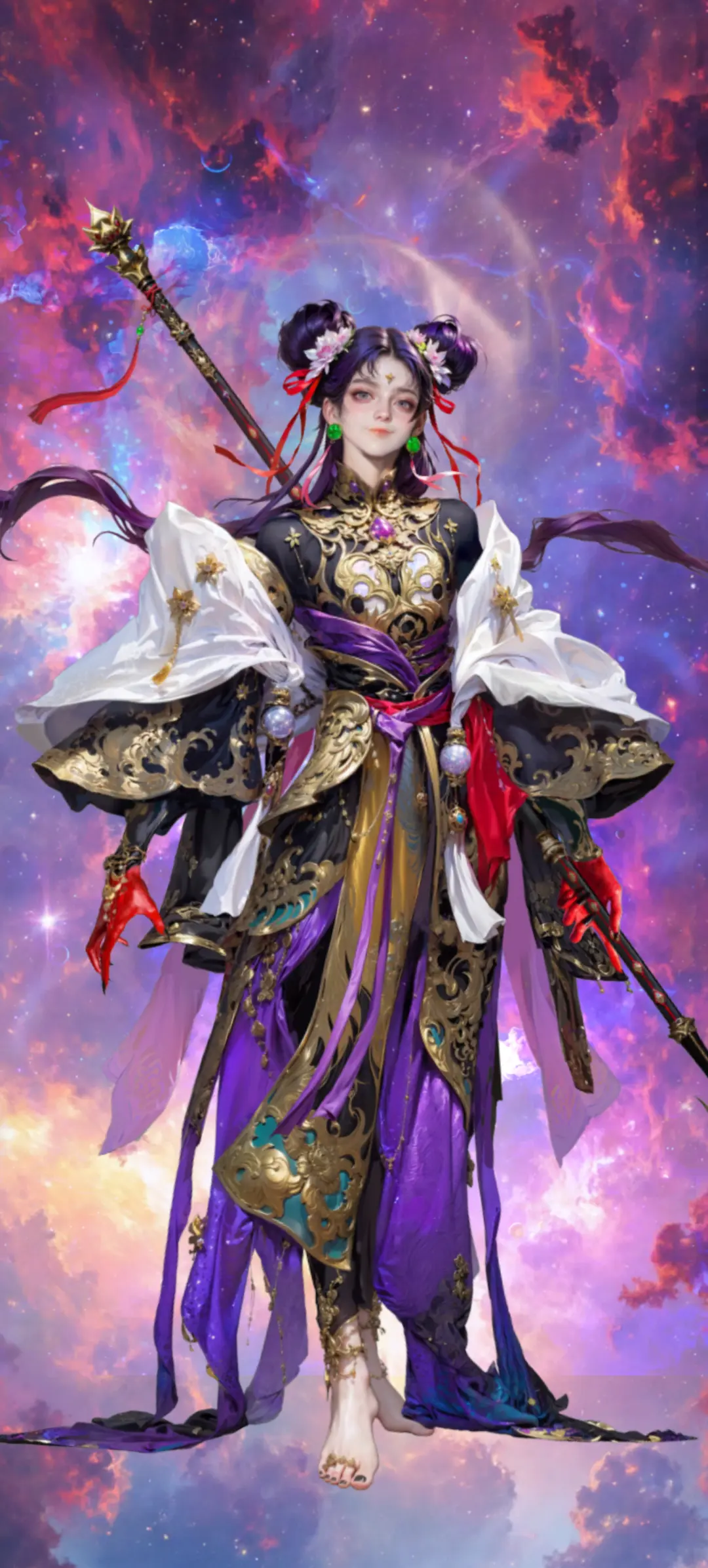
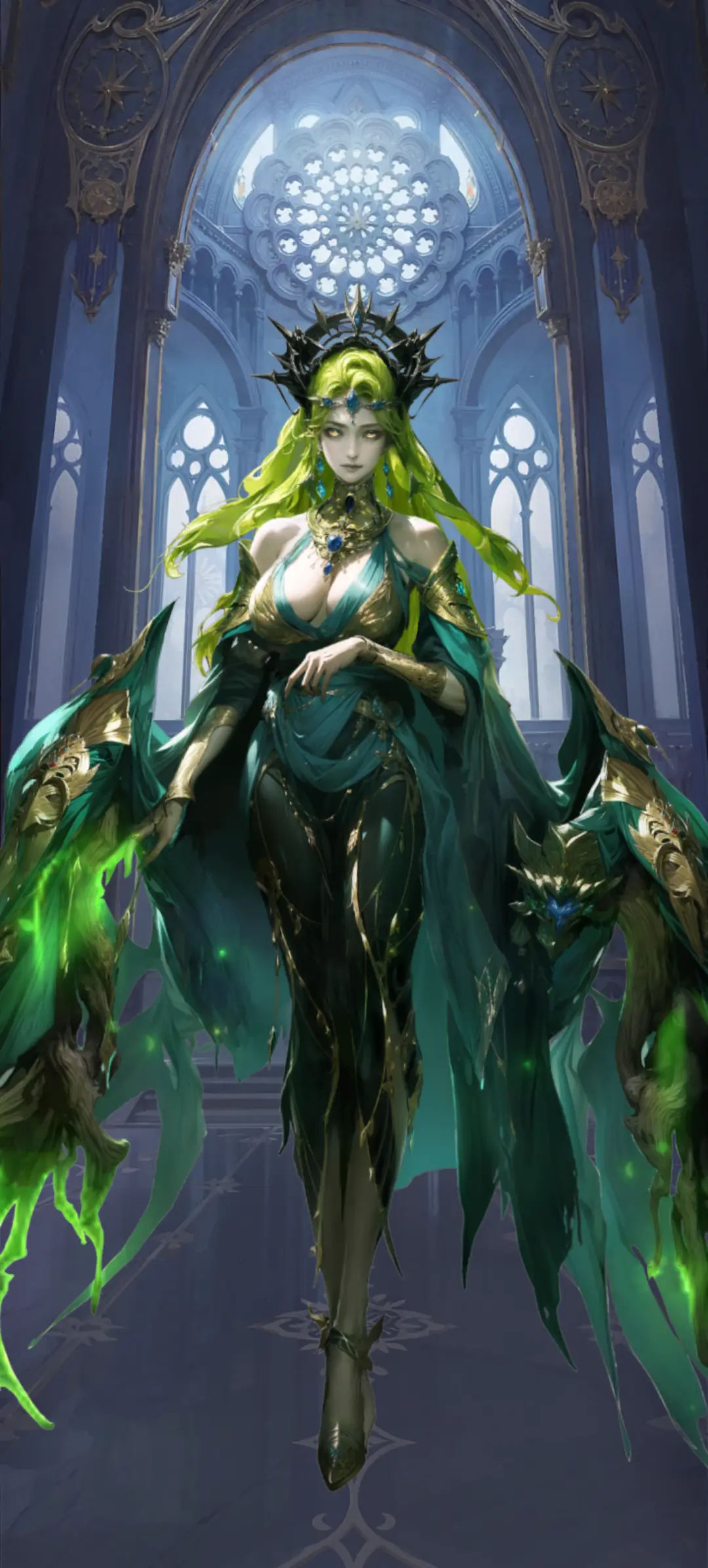

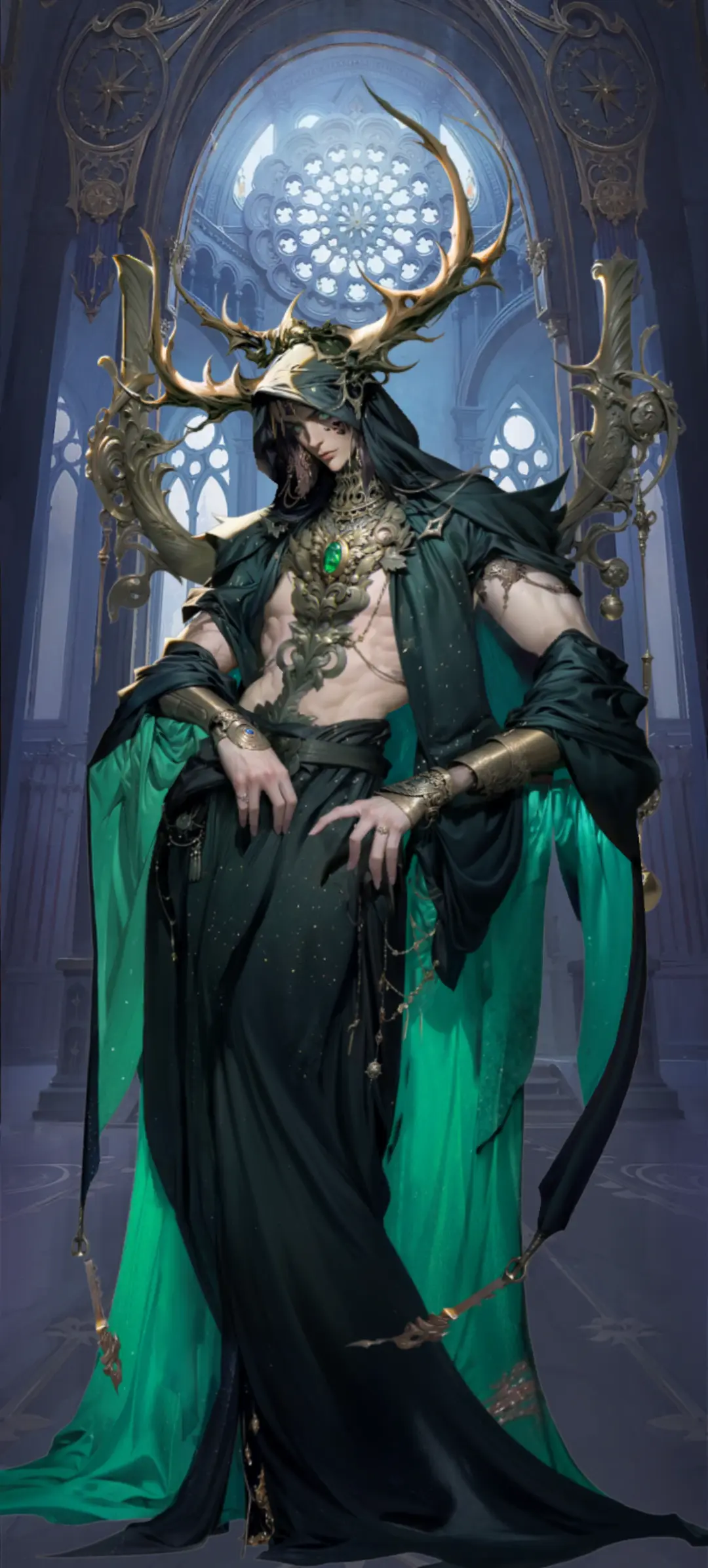
- Cashien's Energy support can increase Ultimate frequency across the comp, reinforcing Nuba's attrition loop.
- Nezha brings consistent front-loaded damage to cover Nuba's lower burst output.
Nuba's ATK SPD drain stacks with Anubis's crowd control, while Jormungandr soaks burst and punishes focus to open windows for Hladgunnr's damage. Clubs faction bonus amplifies the team.

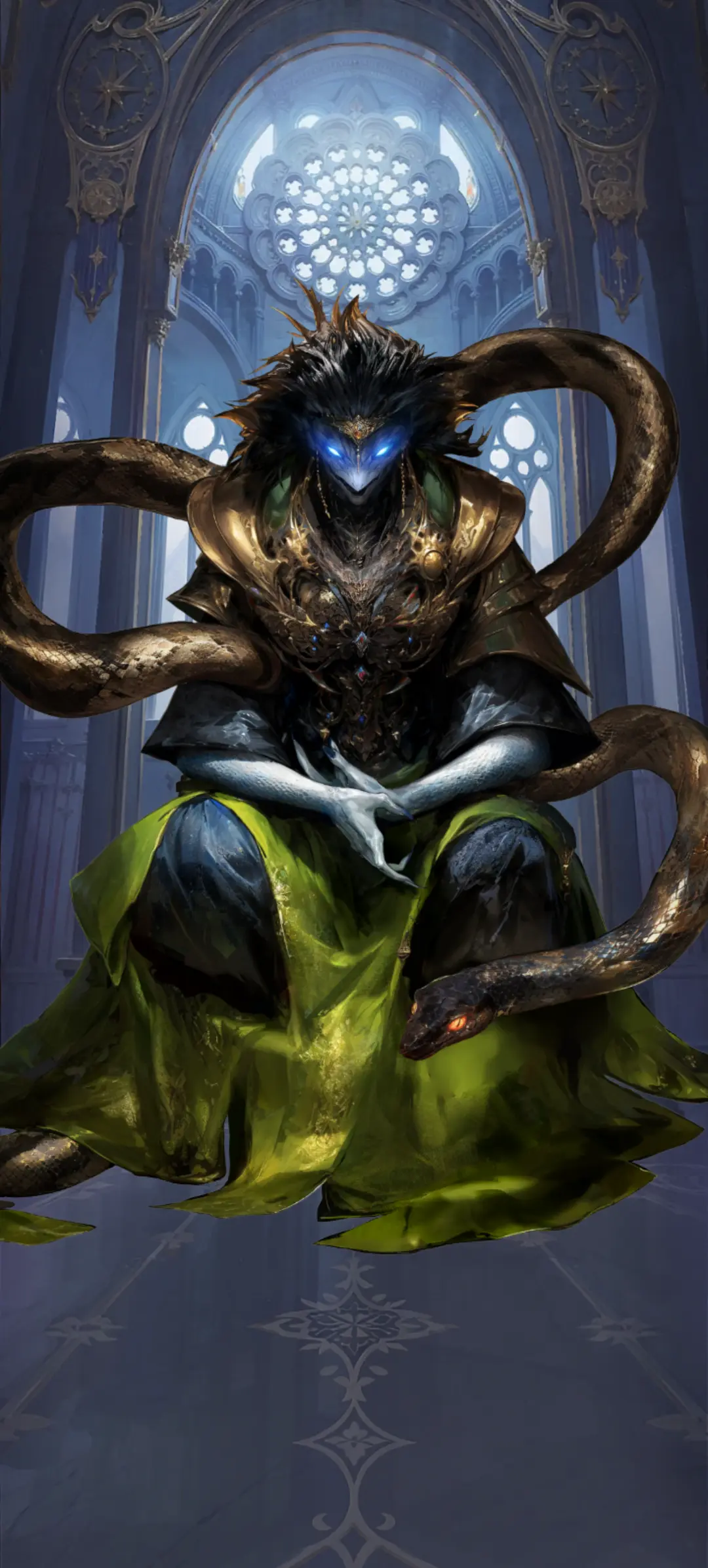
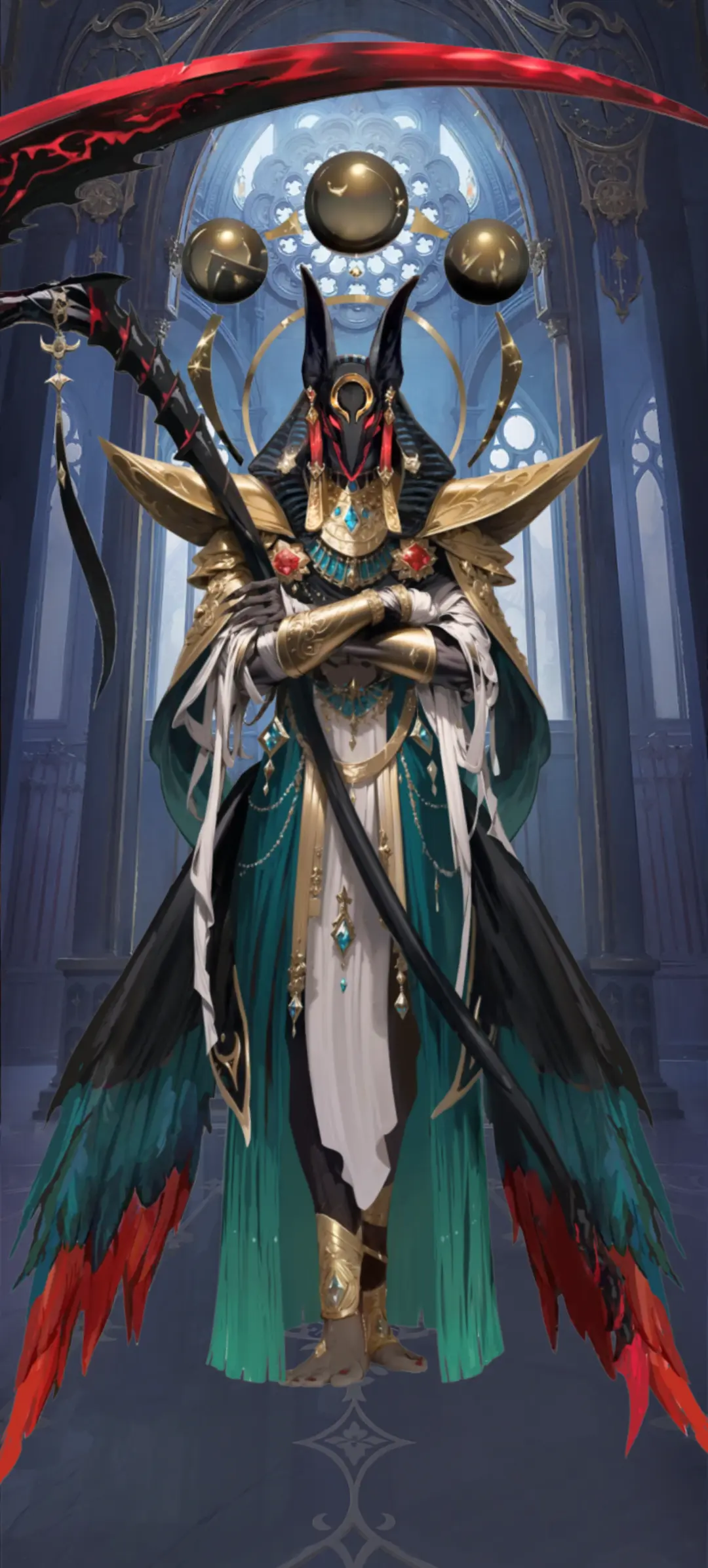
- Anubis's stun on weakest enemy synergizes with Nuba's mark-based Stun from Infernal Soulbreaker.
- Pan's silence and daze delay enemy ultimates, compounding with Nuba's Energy destruction.
- Jormungandr's Revenge window turns enemy burst into lethal counter-damage.
- Could apply Crimson Doom Mark at battle start — potentially no ramp-up required for debuffing
- Stacking ATK SPD reduction on marked enemies could make her more dangerous the longer a fight lasts
- Built-in self-revive through Drought Devil sources could provide exceptional staying power
- Energy drain/destruction on Ultimate could delay and disrupt enemy ultimate rotations
- Could enable reliable Stun on Skill 1 against marked targets — potentially near-100% CC uptime
- Interrupt on Skill 1 even without marks could provide baseline disruption
- Potential dual debuff coverage: DMG reduction + ATK SPD reduction simultaneously
- Self-revive requires Skill 2 at Lv4 — would be non-functional at lower investment
- Revive depends on Drought Devil sources existing — if marks expire before she dies, she may have no revive available
- Single-target focus on Ultimate active — mark re-application would hit only nearest enemy
- No direct healing outside of the revive HP restore — could be vulnerable to sustained burst before marks expire
- Utility-focused — may not function as a standalone damage carry; could need supporting DPS in the backline
Club faction stacking appears to be Nuba's most concrete synergy path. Running 3–5 Club heroes gives the whole team bonus ATK and HP — both stats could support a protected scaling setup where Nuba remains in backline and ramps safely over time.
In the proposed structure, Nuba + Pan could form the Energy control backbone: Nuba destroys and absorbs Energy while Pan adds additional denial and control timing.
Dementer could be framed as the protection and stun-layering frontline, while Caishen could accelerate team Energy cycles and support tempo. Yuelao could round out the core through defensive stat sharing and sustain.
Nuba appears to fit a protected attrition control core style. Theoretically, she would not win by early collapse pressure, but by making enemies progressively less capable of fighting back as ATK SPD and Energy pressure compound.
Backline safety could improve consistency of three key outcomes: ATK SPD stacking uptime, Energy denial frequency, and reliable revival trigger timing. In that model, she is a scaling anchor enabled by frontline protection, not the primary tank absorbing the first burst cycle.
If these interactions hold in practice, long fights should increasingly favor this structure: protect Nuba, cycle control and Energy denial, and let inevitability build through layered debuffs.

Mengpo
Goddess of Forgetting -- Keeper of the Bridge Between Worlds
Mengpo is a Legendary Support of the Hearts faction whose kit is built entirely around a single axis: Samsara. She does not deal significant damage, does not tank, and does not debuff broadly -- instead, she restructures the fight itself by making death non-final for her allies.
Her Ultimate passively grants Samsara stacks which are consumed to revive any fallen ally at full HP. Her Relic makes her physically untargetable as long as enough allies remain alive. Meanwhile, Stone of Three Fates instant-cleanses and heals any controlled ally, and Lycoris Bloom continuously funnels ATK% and Energy regen into the ally furthest along their Energy bar.
Mengpo is not a passive safety net -- she actively shapes the tempo of every fight she enters, enabling strategies that would be impossible without a second life in reserve.
Mengpo is not yet released. All ratings and strategic assessments are based on skill data alone. Numerical stats are unavailable.
Mengpo originates from Chinese mythology as the keeper of the Bridge to the Afterlife. Every soul crossing receives her soup that erases memory of the life just lived -- a mercy enabling rebirth without the burden of the past. The game draws directly on this mythology for her mechanics.
- The Samsara system echoes the Buddhist cycle of death and rebirth she oversees
- Lycoris Bloom is named after the Red Spider Lily, a Chinese symbol for the path between life and death -- it lines the road to the afterlife
- Stone of Three Fates refers to the mythological stone where past, present, and future lives are recorded
- Waters of Oblivion is the river at the border of the underworld, the source of her forgetting soup
- Her Relic, No Return, refers to the one-way nature of crossing the bridge
- Mengpo's Ultimate, Samsara's Shore, has two components: a passive revive trigger and an active stack generation.
- Passive: when any ally falls, one Samsara stack is consumed to revive them and restore HP.
- Active: when Mengpo uses her Ultimate, she generates one Samsara stack. At Skill Level 3, the maximum stacks increase to 2.
- HP restored on revival scales with upgrade level: 50% → 80% → 100% of max HP at Levels 1, 2, and 4.
- Relic Lv2: a revived unit gains 200 Energy. Relic Lv3: Mengpo gains 200 Energy whenever any ally falls -- creating an energy feedback loop tied to the Samsara system.
- Relic Lv4 lowers the untargetable threshold from 5 surviving allies to 4, extending the protection window.
 Samsara's Shore Ultimate
 Passive: While holding Samsara stacks, consumes one stack to revive a fallen ally and restore 50% of their max HP.
Active: Grants Mengpo one stack of Samsara.
 No Return Relic
 When there are 5 or more surviving allies (excluding minions), Mengpo traverses the boundary between life and death, making herself untargetable.
 Stone of Three Fates Skill 2
 Passive: When an ally is controlled, immediately restores HP equal to 200% of Mengpo's ATK and removes their debuffs. CD: 20s.
 Waters of Oblivion Skill 3
 Deals DMG equal to 270% of ATK to the enemy closest to backline allies and inflicts River of Oblivion, pushing them toward their initial position for 3s.
 Lycoris Bloom Skill 4
 Buffs the ally with the highest Energy, increasing their ATK by 15% and restoring 50 Energy per second to them for 5s.
- 1. Samsara's Shore (Ultimate) -- Core mechanic; HP restore and max stack increase are essential
- 2. No Return (Relic) -- Energy feedback loop at Lv3 directly amplifies Samsara uptime
- 3. Lycoris Bloom -- ATK% doubling at Lv3 is a major jump in carry support value
- 4. Stone of Three Fates -- CD reduction at Lv3 is the key breakpoint
- 5. Waters of Oblivion -- Lowest priority; upgrade when above skills are maxed
* All ratings theoretical -- based on skill mechanics only. No in-game data available (hero not yet released).
Mengpo must survive to function. Her Relic only makes her untargetable while enough allies live -- once the team falls below threshold, she becomes exposed and the highest-priority kill for any opponent who understands her role.
Place her in position 4 or 5. Her offensive skill targets enemies near the backline anyway. All support skills fire passively from any position.
Front: Tank or Bruiser -- absorbs the burst that would otherwise breach Mengpo's untargetability threshold.
Mid: DPS and Sub-DPS -- primary beneficiaries of Lycoris Bloom and revival.
Back: Mengpo + secondary support. Critical priority: Mengpo must not be the first unit to die.
The classic Hearts-faction sustain team from Chinese community meta. Yuelao and Mengpo provide layered healing and revival; Cashien accelerates team Energy cycles; Prometheus generates sustained Energy flow; Hladgunnr delivers the burst damage payload kept alive by the support core.
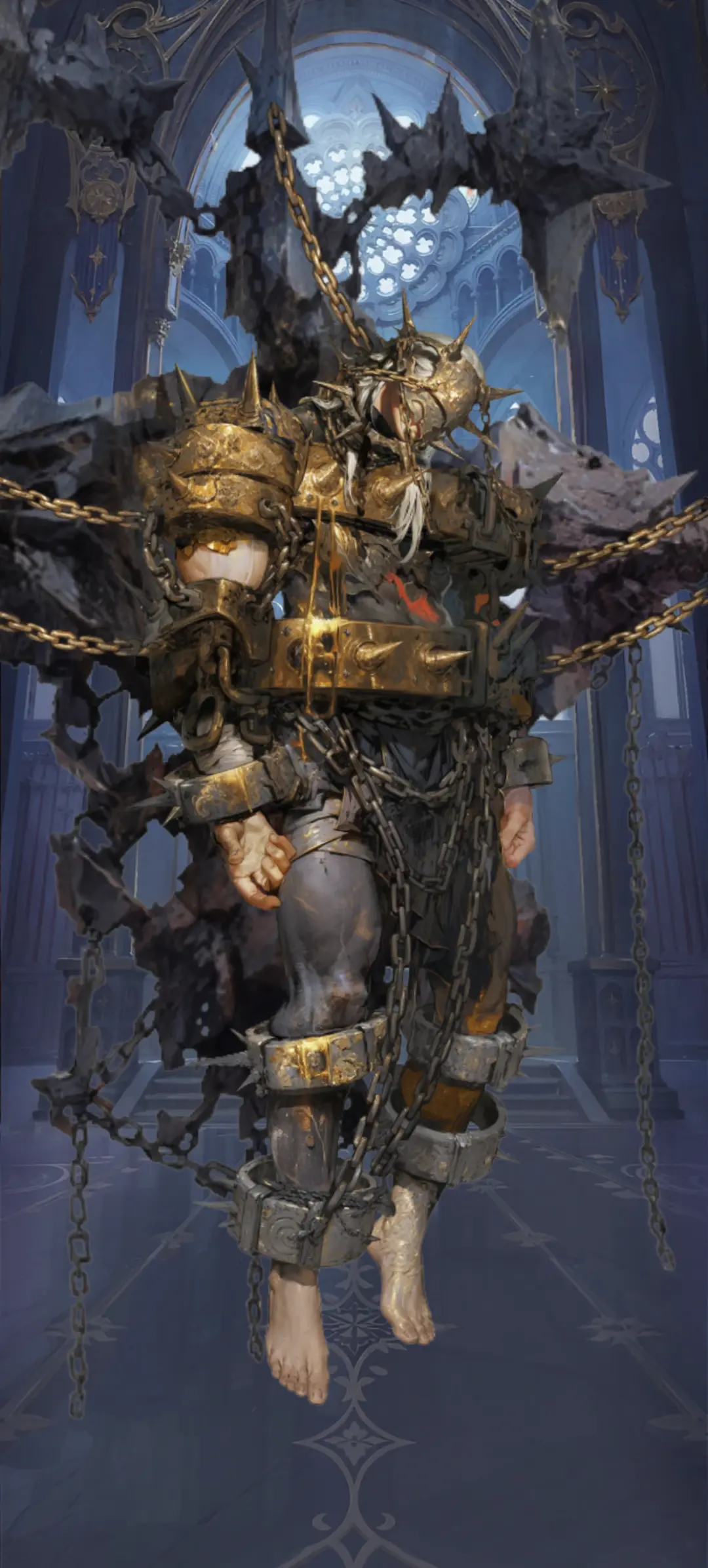

- Mengpo and Yuelao together create redundant sustain -- if Stone of Three Fates is on cooldown, Yuelao's support fills the gap.
- Cashien's Energy acceleration directly increases how often Mengpo generates Samsara stacks via her Ultimate.
- Recommended for Tower progression where multi-stage survivability matters more than raw burst output.
Built around Mengpo's revival enabling death-triggered effects to fire a second time. Poseidon provides crowd control to create safe revival timing. Heracles and Hladgunnr deliver burst payloads while Jormungandr's Revenge mechanic turns enemy aggression into counter-damage.
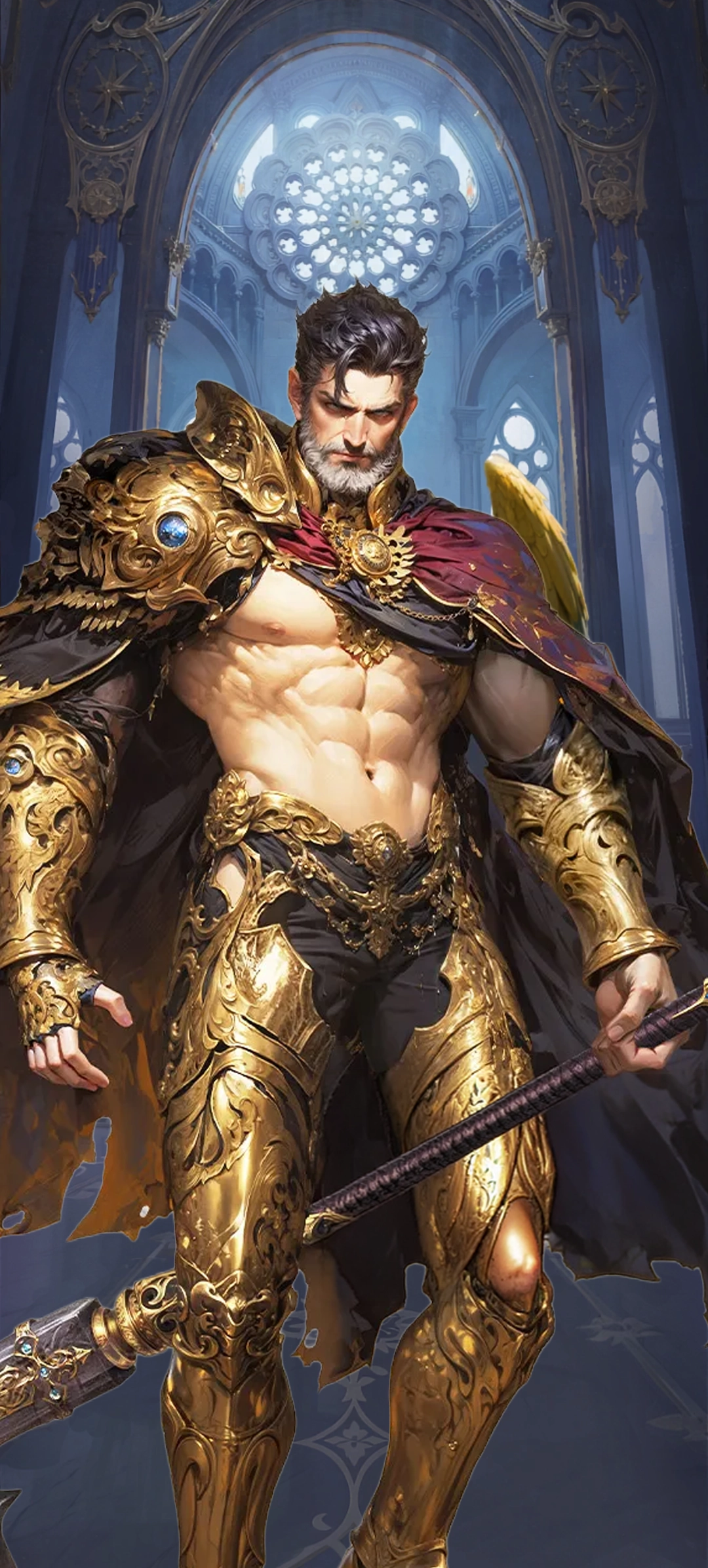
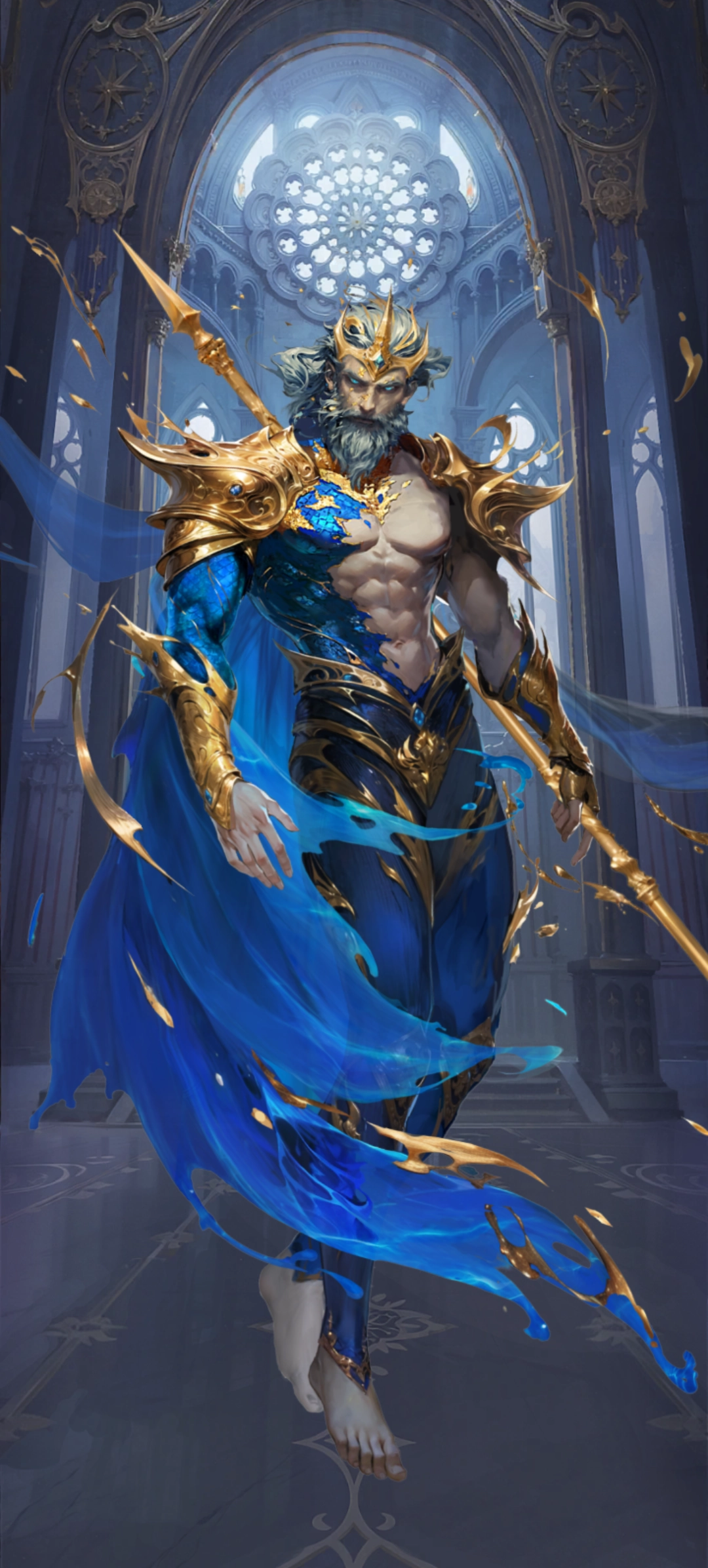
- If Jormungandr's Revenge passive triggers on death, Mengpo's revival allows a second Revenge window -- a significant damage spike.
- Poseidon's CC buys the split-second needed for Samsara to activate before enemies finish the revived unit.
- Strong against tank-heavy teams; weaker against full-burst comps that kill multiple heroes simultaneously.
Anubis and Prometheus create sustained damage pressure and Energy flow. Mengpo's Lycoris Bloom funnels ATK% and Energy regen into Heracles, enabling near-constant Ultimate spam. Hladgunnr adds burst on top. Mengpo's revival acts as insurance, allowing Heracles to play aggressively.
- Anubis brings strong PVP and Tower performance -- his output complements Heracles without competing for Lycoris Bloom targeting.
- Build Energy-focused items on Heracles to guarantee he consistently holds the highest Energy.
- Stone of Three Fates protects the energy engine from CC disruption.
- Full-HP revival creates a genuine second life for any fallen carry
- Untargetability in early-fight phases protects the revival engine
- Anti-CC cleanse fires passively at no cost -- free value in any CC-heavy matchup
- Lycoris Bloom rewards Energy-focused team construction with sustained ATK% and Energy regen
- Relic energy feedback loop: ally deaths refuel Samsara stack generation
- Backline peel from Waters of Oblivion repositions divers without consuming support actions
- Enables aggressive playstyles and risk-heavy teams that would otherwise be unviable
- Two or more heroes dying simultaneously exhausts both Samsara stacks at once
- Untargetability has a hard headcount requirement -- falls away as allies die
- Stone of Three Fates has a cooldown; a second CC wave in the window receives no protection
- Revival advantage negated by anti-revive mechanics on some boss encounters
- Energy lock or silence stalls Samsara stack generation
- Brings minimal direct damage -- teams must field other dedicated damage sources
Primary carry target. His high sustained damage benefits directly from Lycoris Bloom's ATK% buff, and the revival safety net enables aggressive positioning. Build Energy-focused items on Heracles to ensure Lycoris Bloom consistently targets him.
Energy engine support. His Energy generation compounds with Lycoris Bloom and the Relic Lv3 energy-on-death feedback, dramatically increasing team Ultimate frequency.
Poison damage scales with fight duration. Mengpo extends fights by design -- every revival adds more time for poison stacks to compound. Death-triggered passives may also fire a second time after revival.
Burst damage benefits from Lycoris Bloom's ATK% and the Energy regen extending Ultimate availability. Mengpo's sustain provides the breathing room for full burst rotations without fear of a failed burst window ending the fight.
Both are Hearts faction Supports -- pairing them maximizes faction bonus stacking and creates layered healing coverage. The combination forms the "Red Heart Core" team from Chinese community meta, considered one of the strongest sustained PVE setups.
Team-wide Energy acceleration is directly multiplicative with Lycoris Bloom. More Energy means more Ultimate casts, more Lycoris Bloom fires, and faster Samsara stack regeneration via the Relic feedback loop.
Crowd control creates windows for Mengpo's revival to activate safely. Poseidon's CC buys the split-second needed before enemies can delete the just-revived ally. Most relevant in fast-paced PVP environments.
Mengpo plays as a sustained revival anchor whose presence fundamentally changes how a team can be run. With her in the lineup, the threat of a single lost hero is neutralized -- enabling aggressive positioning, risky carries, and compositions that would collapse without a second life in reserve.
The core loop is simple: build Samsara stacks proactively during safe phases, use Lycoris Bloom to fuel the highest-Energy carry, and let Stone of Three Fates handle CC disruption while the team focuses on output. The Relic's energy feedback means that even a revival event partially recharges the next one.
The critical skill is threat awareness. Mengpo's value collapses against coordinated burst that kills multiple heroes simultaneously -- both Samsara stacks gone at once leaves the following deaths unprotected. Recognizing these burst windows and ensuring the tank and Mengpo survive long enough to absorb the first wave is the primary skill expression this hero demands.

Skadi
Core of Control -- Goddess of Winter and the Hunt
Skadi is a Legendary Mage of the Spades faction whose entire kit revolves around a single axis: crowd control amplification. She is not a burst nuker -- instead, she is a conditional hypercarry whose damage scales with how much control her team can generate.
Her passive, Realm of Frost, automatically deals bonus damage and restores Energy whenever allies attack crowd-controlled enemies. Her Ultimate, Drifting Vortex, creates a persistent ice tornado that ramps damage with each successive hit and deals increased damage to controlled targets. Her Relic stacks ATK% on every Realm of Frost trigger and provides a pseudo-revival at Level 2.
Skadi is a hybrid of Control Enabler, AoE DoT DPS, and Energy Engine. In the right team, she creates a self-reinforcing loop where control feeds damage, damage feeds Energy, and Energy feeds more Ultimates. Without control teammates, her output collapses.
Skadi originates from Norse mythology as the goddess of winter, mountains, and hunting. A Jotunn (giant) by birth, she married into the Aesir after the death of her father Thjazi. Known for her fierce independence and mastery of ice and snow, she chose to live in the frozen mountains rather than the warm halls of the gods. The game draws directly on this mythology for her mechanics.
- Drifting Vortex channels her dominion over winter storms -- a persistent ice tornado sweeping the battlefield
- Ring of Blizzard summons the blizzards that define her mountain domain, freezing enemies caught within
- Ice Prison reflects her cold, unyielding judgment -- locking a single target in ice
- Realm of Frost represents her passive presence: wherever winter touches, her power awakens
- Her Relic, Iceforged Veins, references the frost that runs in her blood as a Jotunn -- growing stronger the longer the battle persists
- Skadi's passive, Realm of Frost, is the engine that drives her entire kit. When any ally attacks a crowd-controlled enemy, Skadi summons an Ice Spike dealing bonus damage.
- At Skill Level 3, each Realm of Frost trigger also restores 30 Energy -- creating a direct link between team CC and Skadi's Ultimate frequency.
- Her Relic, Iceforged Veins, grants 8% ATK per trigger (up to 10 stacks) at base level, scaling to 12% ATK at Relic Lv3 and extending duration to 8 seconds at Lv4.
- The core loop: Control → Realm of Frost proc → Bonus Damage + Energy + ATK stacks → faster Ultimate → more AoE damage → repeat.
- This means Skadi's damage output is directly proportional to the amount of crowd control her team generates. More CC = more passive procs = more Energy = more Ultimates = more total damage.
- At Relic Lv2, Skadi gains a pseudo-revival: upon fatal damage, she freezes herself for 3 seconds (invincible) and heals 20% max HP per second -- extending the loop instead of resetting it.
 Drifting Vortex Ultimate
 Creates an Ice Vortex that continuously moves around the battlefield targeting enemy units for 8 seconds. Deals 36% ATK as damage to nearby enemies every 0.5s. If the vortex passes through Crowd Controlled enemies, damage increases to 60% ATK.
 Iceforged Veins Relic
 Triggering Realm of Frost grants 8% ATK for 3 seconds, stacking up to 10 times.
 Ring of Blizzard Skill 2
 Summons a Blizzard (3m radius) dealing 40% ATK as damage every 0.5s for 3 seconds, then deals 100% ATK to remaining enemies in the zone.
 Ice Prison Skill 3
 Freezes the current target for 2 seconds and deals 240% ATK as damage.
 Realm of Frost Passive
 When an enemy is Crowd Controlled, Skadi summons an Ice Spike dealing 60% ATK as damage.
- 1. Realm of Frost (Passive) -- Energy restoration at Lv3 is the foundation of the entire control loop
- 2. Drifting Vortex (Ultimate) -- Multi-hit stacking at Lv3 transforms damage output; main damage source
- 3. Iceforged Veins (Relic) -- Lv2 pseudo-revival is mandatory for competitive play; Lv4 extends ATK buff duration
- 4. Ring of Blizzard -- Lv4 Freeze provides additional CC that feeds the loop
- 5. Ice Prison -- Useful but single-target; upgrade after core skills are maxed
* All ratings theoretical -- based on skill mechanics and CN community meta analysis. No global server data available (hero not yet released).
Skadi needs setup time before her loop activates. She must survive the opening exchange to begin stacking ATK from her Relic and generating Energy from Realm of Frost. Place her in position 4 or 5 -- as far from enemy frontline threats as possible.
Her Relic Lv2 pseudo-revival provides insurance, but burning it early to survive poor positioning wastes the DPS extension it provides in late-fight.
Front: Tank or Taunt unit (Momus) -- absorbs initial burst and establishes the first control state via taunt.
Mid: CC units (Poseidon, Pan) -- lock down and group enemies with layered AoE crowd control to maximize Realm of Frost triggers.
Back: Skadi + secondary support or burst DPS. Skadi must not be the first unit engaged. The team's job is to create a CC-rich environment before Skadi's Ultimate activates.
The standard CN Control Loop team. Momus taunts to guarantee a control state on the frontline, Poseidon provides powerful AoE crowd control that groups and locks down enemies, Pan layers additional CC, and every controlled enemy triggers Skadi's Realm of Frost passive for bonus damage and Energy. Khepri dives to extend CC windows.
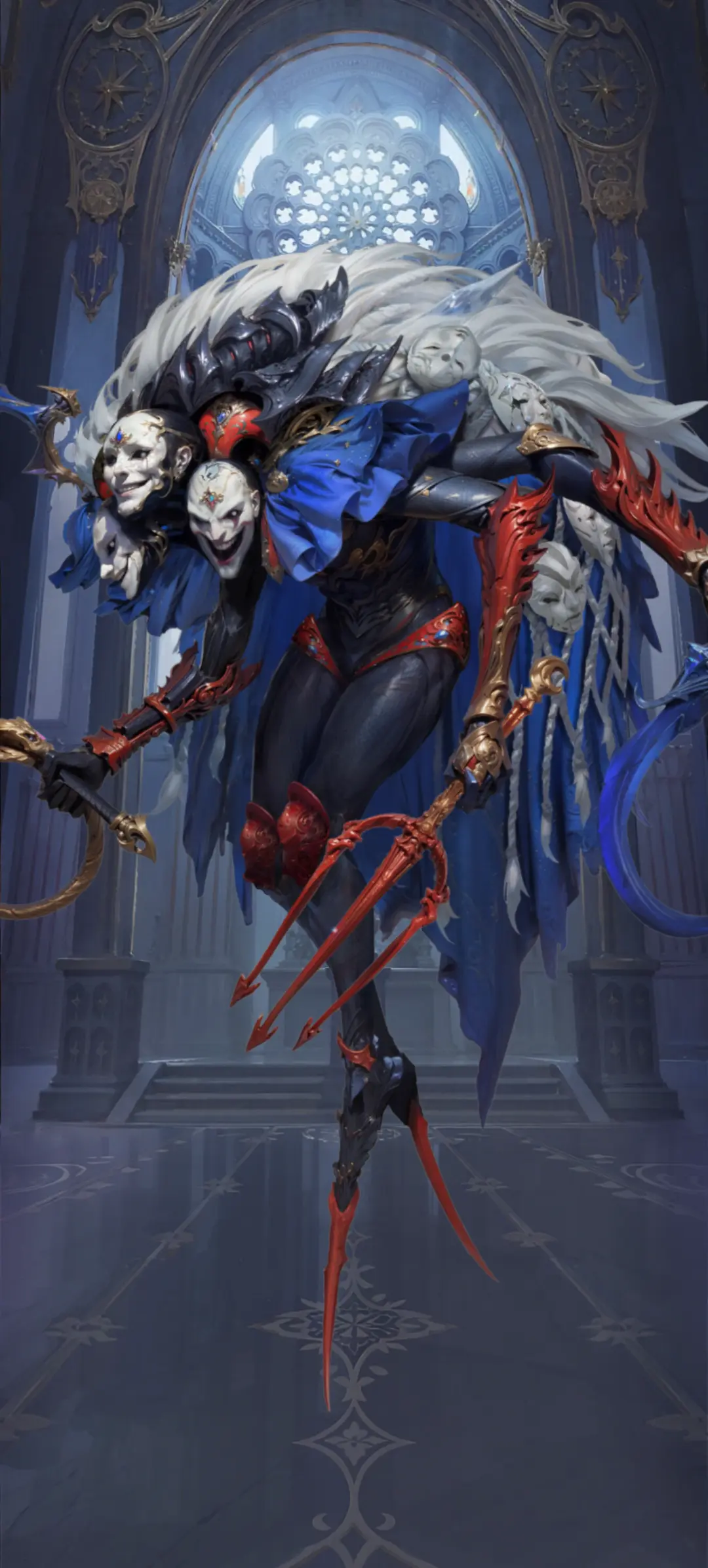

- Poseidon's AoE CC hits multiple enemies simultaneously, maximizing Realm of Frost triggers per cast.
- Momus taunt counts as a control state -- Realm of Frost procs on taunted targets as well.
- Pan's AoE CC feeds Skadi's passive on multiple enemies simultaneously, accelerating the Energy loop.
Built for fast PVP engages. Khepri dives immediately, Pan follows with AoE CC, and Skadi snowballs from the first control wave. Hladgunnr delivers a burst damage payload while enemies are locked down. Cashien accelerates Energy across the team to guarantee early Ultimates.
- If the opening control wave misses or gets cleansed, the team loses its primary win condition -- this is a high-risk, high-reward composition.
- Cashien's Energy acceleration helps Skadi reach her Ultimate faster, which is critical in short PVP fights.
- Hladgunnr's burst benefits from enemies being grouped and controlled -- clean-up damage after Skadi's DoT softens them.
Designed for long PVE fights that exploit Skadi's scaling over time. Mengpo's revival adds a safety net that extends fight duration, Cashien fuels Energy for faster Ultimate cycles, and the Momus + Pan control core keeps Realm of Frost active throughout. Skadi's Relic Lv2 pseudo-revival stacks with Mengpo's Samsara for double insurance.
- In multi-stage PVE content, Skadi's ATK stacks from the Relic carry over between phases -- the longer the fight, the stronger she becomes.
- Mengpo's Lycoris Bloom may target Skadi if she leads in Energy, providing additional ATK% on top of Relic stacks.
- Cashien's team Energy acceleration compounds with Skadi's passive Energy regeneration for near-constant Ultimate availability.
- Damage scales with team CC output -- the more control, the higher the damage
- Triple scaling axis: fight duration, control frequency, and hit stacking compound multiplicatively
- Energy self-sustain through Realm of Frost allows near-constant Ultimate availability in CC-heavy teams
- Relic ATK stacking grows stronger over time -- snowball potential in extended fights is extreme
- Relic Lv2 pseudo-revival prevents DPS reset and extends the scaling window
- AoE DoT from Ring of Blizzard + persistent Ultimate covers large areas when enemies are grouped
- Ring of Blizzard Lv4 Freeze creates additional CC that feeds back into the loop
- Entirely dependent on teammates providing crowd control -- near-useless in CC-less teams
- Hard-countered by Cleanse and CC-Immunity effects that shut down the passive engine
- Vulnerable to burst compositions that kill before the control loop can start
- Needs setup time -- first few seconds of a fight are her weakest point
- Tornado pathing is positioning-dependent; scattered enemies reduce hit frequency
- Single-target encounters (bosses) severely limit Realm of Frost proc rate
Primary CC partner. Pan's AoE crowd control hits multiple enemies simultaneously, generating multiple Realm of Frost triggers per cast. His silence and daze delay enemy Ultimates while Skadi's loop ramps up. Core partner in every CN Skadi composition.
AoE Taunt guarantees a control state on the frontline. Taunted enemies count as crowd-controlled for Realm of Frost purposes -- Momus creates reliable, repeatable passive triggers even when other CC is on cooldown. Also serves as the primary tank absorbing burst aimed at Skadi.
Powerful AoE crowd control that locks down multiple enemies at once. Poseidon's CC creates reliable windows for Realm of Frost to trigger on grouped targets, and his control chains extend the duration enemies spend in a CC state -- directly feeding Skadi's Energy loop and ATK stacking.
Engage and dive support. Khepri creates CC windows through direct engagement, extending the chain of control states that feed Skadi's passive. Also provides frontline disruption that buys time for Skadi's loop to activate.
Team-wide Energy acceleration compounds with Realm of Frost's Energy restoration. More Energy means earlier Ultimates across the team -- including Skadi's Drifting Vortex. In sustain compositions, Cashien's acceleration creates near-permanent Ultimate availability.
Burst damage finisher. Once Skadi's control loop has softened and grouped enemies, Hladgunnr delivers the killing blow. The CC-heavy environment created by Skadi's team also benefits Hladgunnr's own damage windows. Best paired in aggressive PVP compositions.
Revival extends fight duration -- and longer fights mean more Realm of Frost procs, more ATK stacks, and more Ultimate casts. Mengpo's Samsara stacks with Skadi's Relic Lv2 pseudo-revival for double insurance. Lycoris Bloom may also target Skadi if she leads in Energy, adding ATK% on top of Relic stacks.
Skadi plays as a conditional hypercarry whose damage is entirely determined by her team's ability to generate crowd control. She is not a hero you slot into any composition -- she demands a team built around feeding her passive engine.
The core rotation is straightforward: teammates apply CC first, grouping and controlling enemies. Realm of Frost triggers automatically on every controlled target, dealing damage, restoring Energy, and stacking ATK from the Relic. Once enough Energy is banked, Drifting Vortex deploys and begins its multi-hit ramp-up. Ring of Blizzard provides additional DoT and, at Lv4, a Freeze that feeds back into the loop. Ice Prison handles single high-priority targets.
The critical skill expression is team orchestration, not mechanical play. Ensuring CC chains overlap, enemies stay grouped for maximum tornado hits, and Skadi survives the opening seconds before her loop activates -- that is where games are won or lost. Without control, Skadi's passive is silent, her Energy starved, and her damage negligible. With it, she becomes one of the most potent scaling carries in the game.
Wen-Shen
When humanity had no cure, I willingly drew all pestilence upon myself.
Clubs Faction
Support Legendary Unreleased Wen-Shen, the Plague Goddess, is a Legendary Support of the Clubs faction whose kit is built around a single debuff system: Jinx. She is not a healer, not a damage buffer, and not a passive safety net -- she is a control trap unit whose primary purpose is to neutralize enemy carries, punish aggression, and remain dangerous even after death.
Her Ultimate applies a long hard-CC lockdown to the nearest enemy. Her Skill 2 curses the symmetrically opposite target, dealing max-HP-based damage and reducing their healing. Her passive permanently Jinxes any enemy that defeats her. Her Skill 4 creates an ATK and DEF debuff aura that lingers on the battlefield even after she falls. The Relic ties it all together: Jinx spreads from defeated enemies to the next, creating a chain that can sweep through an entire opposing team.
Wen-Shen requires no kills and no sustain investment to deliver value. Her presence alone applies pressure -- and her death can be the most impactful moment of the fight.
Wen-Shen is not yet released globally. All ratings and strategic assessments are based on skill data from CN server screenshots. Numerical stats are unavailable.
In Chinese mythology, the Plague God (Wen-Shen, or the Pestilence Deity) is not a figure of malice but of sacrifice. According to legend: "When humanity had no cure, Wen-Shen willingly drew all diseases upon herself in exchange for the health of the mortal world." She is a deity who chose suffering as an act of compassion.
- Calamity-Ridden (Skill 3) directly mirrors her mythological role: she absorbs the punishment of disease, and anyone who tries to end her suffering is cursed in return
- Cursed Ground (Skill 4) represents the lingering pestilence she carried -- it does not leave with her death, but remains to afflict those around her
- Origin of Pestilence (Relic) captures the myth of plague spreading from host to host after the original carrier falls
- Duality Inversion (Skill 2) reflects the balance between illness and cure -- the curse slowly undoes itself, but at a cost, and healing is suppressed while it holds
- Star of Ill Omen (Ultimate) is named after the traditional Chinese belief that certain stars signal catastrophe for those born under their influence -- once locked, there is no escape
- Jinxed is a persistent debuff state. While active, the afflicted enemy has a 50% chance to be Stunned, Terrified, or Petrified for 2.5s when attacking, and a 50% chance to be Knocked Down when moving.
- Each Jinx CC effect can only trigger once every 4 seconds -- making it RNG-dependent but reliable over the course of a fight rather than a guaranteed instant lockdown.
- At Skill 3 Lv3, Jinxed enemies also deal 20% reduced damage -- a permanent debuff on top of the CC rolls.
- At Skill 3 Lv4, all Jinx trigger chances increase from 50% to 60%, raising effective CC uptime significantly.
- Calamity-Ridden (Skill 3, Passive): The enemy that defeats Wen-Shen is permanently Jinxed.
- Origin of Pestilence (Relic): When a Jinxed enemy is defeated, Jinx spreads to the nearest enemy and deals 200% ATK damage. This chain can propagate across the full enemy team if kills continue.
- Duality Inversion + Relic Lv3: Enemies cursed by Duality Inversion become permanently Jinxed -- unlocking a second reliable Jinx application independent of Wen-Shen's death.
Duality Inversion [Relic Lv3] --> permanent Jinx on cursor target
Jinxed: attack --> 50-60% chance Stun / Terror / Petrify (2.5s)
Jinxed: move --> 50-60% chance Knockdown
[Skill 3 Lv3] Jinxed --> also 20% reduced damage output
Jinxed enemy defeated --> [Relic] Jinx spreads + 200-260% ATK damage
Wen-Shen defeated --> [Skill 3] killer permanently Jinxed
 Star of Ill Omen Ultimate
 Jinxes the nearest enemy, disabling them for 4s while dealing DMG equal to 80% of ATK per second.
 Origin of Pestilence Relic
 When a Jinxed enemy is defeated, it spreads to 1 nearest enemy, dealing DMG equal to 200% of ATK to the new target.
 Duality Inversion Skill 2
 Curses the symmetrically opposite enemy, dealing DMG equal to 50% of their max HP (up to 1000% of Wen-Shen's ATK). The curse is slowly lifted over 5s, restoring the lost HP.
 Calamity-Ridden Passive
 Passive: The enemy defeating Wen-Shen becomes permanently Jinxed. Jinxed: 50% chance to be Stunned, Terrified, or Petrified for 2.5s when attacking; 50% chance to be Knocked Down when moving. Jinx can only trigger once every 4s.
 Cursed Ground Skill 4
 Passive: Creates an Aura of Misfortune within a 3-meter radius, reducing the ATK of enemies inside by 20%.
Active: Flies toward the enemy with the highest ATK, dealing DMG equal to 180% of ATK.
- 1. Star of Ill Omen (Ultimate) -- Core lockdown; Lv4 extends hard CC to 6s and maximizes DoT output per cycle
- 2. Calamity-Ridden (Skill 3) -- Lv3's 20% damage reduction on Jinxed is a permanent team-wide defensive buff activated by Wen-Shen's death
- 3. Origin of Pestilence (Relic) -- Lv3 is a mechanic unlock: Duality Inversion becomes a reliable active Jinx setter; Lv4 adds 20% increased damage taken on all Jinxed targets
- 4. Cursed Ground (Skill 4) -- Lv4 aura persistence after death compounds with the death passive; upgrade after core skills are set
- 5. Duality Inversion (Skill 2) -- Heal reduction scales with Relic investment; lower standalone priority but unlocks the Jinx chain at Relic Lv3
* All ratings theoretical -- based on skill mechanics and CN community meta analysis. No global server data available (hero not yet released).
Wen-Shen is the only hero in the game who is designed to die on purpose. Her death passive and Skill 4's lingering aura are most valuable when she is eliminated at a point where her team still has fighting capacity to exploit the aftermath. Placing her too far back delays her death and wastes the passive window; placing her in the hard frontline may cause her to die before her Ultimate and Duality Inversion have fired.
The optimal position is mid-priority -- accessible enough that she draws an early elimination attempt, but not so exposed that she falls before contributing her CC and debuffs. Position 2 or 3 is typically correct depending on team composition.
Front: A tank or bruiser who absorbs the opening burst and keeps the enemy occupied while Wen-Shen's kit fires.
Mid (Wen-Shen): She needs one or two skill casts before dying -- her Skill 4 active dash should connect before she falls, placing the Aura of Misfortune on the highest-ATK enemy.
Back: Damage carries and support. They are the primary beneficiaries of the Jinx debuff, the ATK/DEF aura, and the heal reduction -- they must be alive to collect the value her death generates.
Built around neutralizing the enemy carry through layered CC and debuffs. Dionysus's ATK Speed buff increases Jinx proc frequency; Isis delivers the damage payload into the control window Wenshen creates; Athena's shielding keeps Wenshen alive long enough for her full kit to fire; Cashien accelerates team Energy for faster Ultimate rotations.



- Dionysus's ATK Speed buff is directly multiplicative with Jinx: more attacks per second means more rolls for Stun, Terror, or Petrify -- increasing effective CC uptime without any cooldown cost.
- Wenshen's Ultimate hard-locks the enemy carry for up to 6s. That window is Isis's primary damage phase -- build Energy-focused items on Isis to guarantee her Ultimate fires before the lockdown expires.
- If Wenshen dies during the fight, the killer's Jinx debuff compounds with Athena's existing protection, creating a second layer of anti-aggression pressure even after her death.
A snowball composition built around the Relic's Jinx spread mechanic. Poseidon CC opens the first control window, Wenshen locks down and debuffs the primary target, Bastet and Anubis focus and eliminate the carry, and the Relic spreads Jinx to the next enemy -- creating a chain that can destabilize the entire opposing team.

- Both Wenshen's Skill 4 active and Bastet's targeting logic focus the enemy with the highest ATK. This double-focus on the carry significantly accelerates the first kill needed to trigger the Relic's spread chain.
- Anubis benefits directly from Wenshen's heal reduction on Duality Inversion -- targets receiving 60% reduced healing are far easier to finish through sustained pressure.
- If the Relic chain fails to start (first kill does not happen), the team has no sustain fallback. Poseidon's early CC is the critical setup piece that must land.
A long-fight composition that weaponizes Wenshen's death. Wenshen is intentionally expendable: her Calamity-Ridden passive permanently Jinxes the killer, Cursed Ground's Aura of Misfortune lingers after her death, and the opposing team is left fighting through RNG CC and ATK/DEF debuffs. Jormungandr mirrors this same logic with his Revenge passive: upon taking lethal damage, he survives for 5 seconds, stores 60% of all damage received, then releases it as a burst -- a second death-as-weapon layer that fires while Wenshen's Cursed Ground is still active on the field. Capricorn layers additional control; Dionysus accelerates Jinx proc frequency throughout.
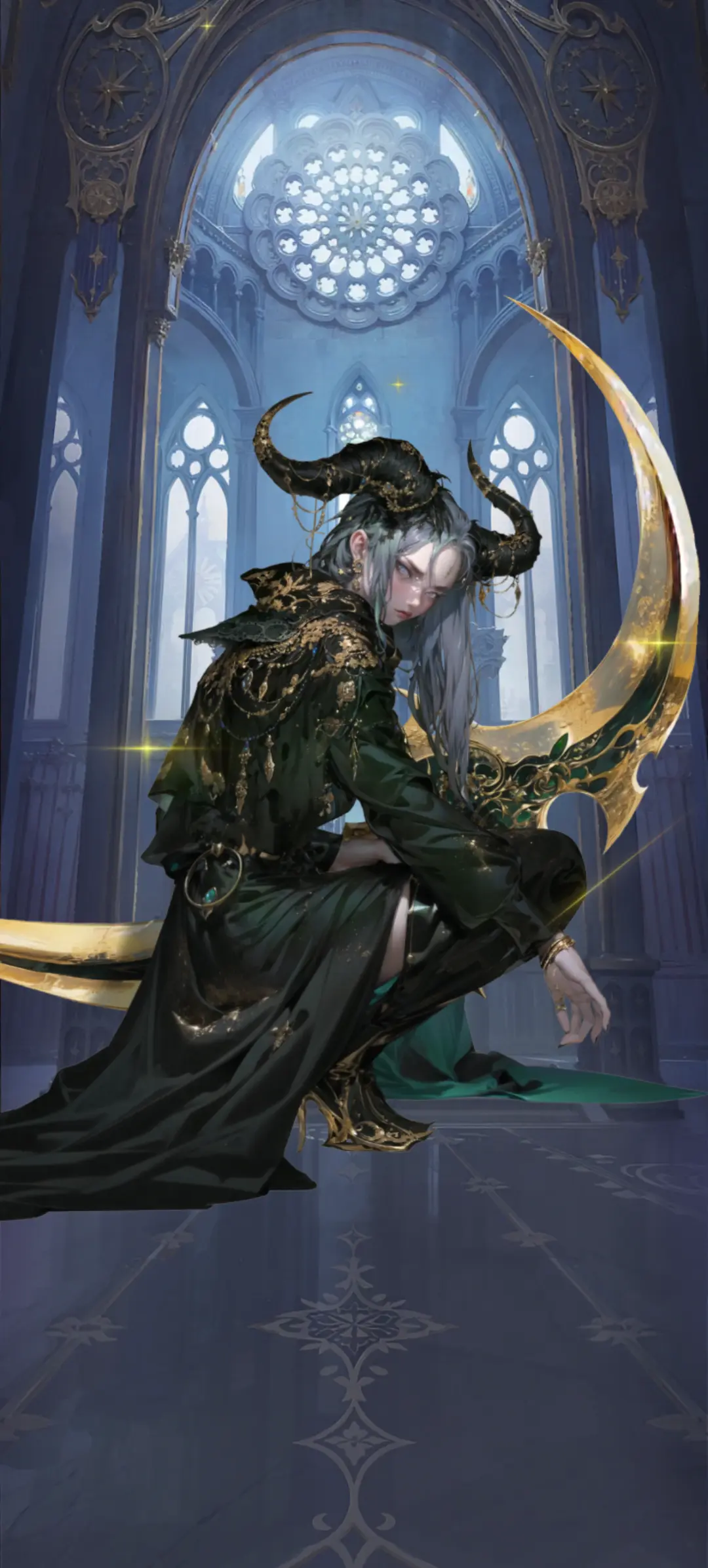
- Wenshen's death is a planned event, not a failure state. Position her in the mid-frontline to ensure she is targeted and killed quickly -- triggering both her passive Jinx and Skill 4's lingering aura simultaneously.
- When Jormungandr enters Revenge, enemies affected by Jinx continue to land RNG CC on him -- which means they keep hitting him, maximizing the damage he stores and releases at the end of the 5-second window.
- Athena's protection can delay Wenshen's death slightly -- use this to ensure her Skill 4 Active fires at least once before she is eliminated. Hladgunnr is a simpler DPS alternative if a straightforward burst payload is preferred over Jormungandr's Revenge mechanic.
- Ultimate provides one of the longest hard-CC lockdowns in the game -- up to 6s full disable on the nearest enemy
- Death passive permanently Jinxes the killer, turning the opposing team's primary aggressor into a liability
- Aura of Misfortune at Lv4 persists after death, applying -20% ATK and -20% DEF debuffs with no upkeep required
- Duality Inversion deals damage based on max HP -- scales against high-HP Tanks and bruisers regardless of Wen-Shen's own ATK
- Heal reduction (up to 60% at Skill 2 Lv4) is rare and highly relevant against sustain-heavy compositions
- Relic Lv3 enables active, repeatable Jinx application independent of her death
- Can be obtained through quest rewards in CN -- no Gacha investment required for the base unit
- Jinx is RNG-based -- at base 50% proc chance with a 4s internal cooldown, it is reliable over time but not a guaranteed instant CC
- No direct healing, shielding, or team-wide buffs -- teams must source all sustain externally
- Duality Inversion targets the symmetrically opposite position -- counterplay exists through deliberate enemy positioning
- Skill 4 active targets the highest-ATK enemy -- may dash into an unintended position against diverse team compositions
- Relic Lv3 is the mechanic unlock for proactive Jinx application; below Lv3, Jinx is reactive only (death trigger)
- One-shot before her death passive fires entirely neutralizes Calamity-Ridden
- CC immunity compositions fully negate the Jinx system
ATK Speed amplification is directly multiplicative with Jinx. Each additional attack per second generates another roll for Stun, Terror, or Petrify on the afflicted enemy. More attacks per second also means more rolls for Knockdown on movement. Dionysus does not add new CC -- he increases the frequency of Jinx's existing RNG, effectively raising sustained CC uptime without any cooldown cost.
Classic control-to-DPS enable pairing. Wen-Shen's Ultimate creates a 4-6s free damage window against the locked-down target. Isis delivers her damage payload into that window without needing to survive the counter-attack. The ATK/DEF aura from Cursed Ground further amplifies Isis's output against debuffed targets.
Shield and protection extend how long Wen-Shen stays alive before her death passive triggers. More survival time means more Ultimate casts, more Duality Inversion curses, and more Skill 4 active dashes before the planned death. Athena also provides a second layer of anti-aggression protection on top of the Jinx debuff the killer receives.
Energy acceleration increases the frequency of Wen-Shen's Ultimate, which is her primary CC and DPS tool. More Ultimate casts per fight means more extended lockdown phases and more DoT damage. In compositions built around the Jinx spread chain, faster Ultimates also means the opening Jinx application lands earlier.
Wen-Shen's Skill 4 active and Bastet's targeting logic both prioritize the highest-ATK enemy. This creates a natural double-focus on the opposing carry: Wen-Shen applies the ATK aura debuff and dashses into the carry, while Bastet follows with her own targeting. The combined pressure significantly accelerates the first kill needed to trigger the Relic spread chain.
Anti-heal and anti-squishy pressure compound directly. Wen-Shen's Duality Inversion reduces target healing by up to 60%; Anubis focuses and eliminates low-HP or high-threat targets. Together they prevent enemy carries from recovering through sustain while accelerating the kills that trigger the Jinx spread chain.
Early AoE CC from Poseidon creates the setup window for Wen-Shen's Ultimate to land cleanly. A Poseidon control wave in the opening seconds delays enemy action long enough to guarantee the full 4-6s lockdown connects on the primary threat. CC chaining of this kind is particularly impactful in PVP where timing the first disable can determine the fight outcome.
Jormungandr's Revenge passive mirrors Wen-Shen's own weaponization of death. After taking lethal damage he survives for 5 seconds, stores 60% of incoming damage, and releases it as a burst -- a second death-trap layer that fires into the same chaos window Wen-Shen's Cursed Ground and Jinx create. Enemies afflicted by Jinx continue attacking him during his Revenge state, which maximizes his stored damage and burst output when it releases.
Additional CC layer that stacks directly on top of Jinx. Capricorn's crowd control limits enemy movement, which compounds with Jinx's Knockdown chance on movement -- the two CC sources cover different action types and create overlapping pressure that becomes increasingly difficult to play through as the fight progresses.
Wen-Shen plays as a control trap unit -- a hero whose primary contribution is disruption rather than healing, shielding, or damage amplification. She is not slotted into a team for what she keeps alive; she is slotted in for what she prevents from functioning.
The core loop is built around sequencing her kit before her planned death. In the opening phase: Skill 4's active dash connects onto the highest-ATK carry, placing the Aura of Misfortune and dealing damage. Duality Inversion curses the mirror-position enemy, reducing their healing and -- at Relic Lv3 -- permanently Jinxing them. The Ultimate fires and hard-locks the nearest threat for up to 6 seconds. When Wen-Shen inevitably falls, the killer is permanently Jinxed, the Aura of Misfortune remains on the battlefield, and the Relic begins chaining Jinx through each subsequent death.
The critical skill expression is positioning and sequencing. Understanding which enemy will be at the mirror position of Duality Inversion, which enemy will receive the Skill 4 dash, and how long Wen-Shen needs to survive before her death becomes a net positive for the team -- these decisions determine whether she functions as a game-changing disruptor or an expensive passive trigger. Teams built to exploit her death window convert her sacrifice into a cascading control advantage that persists long after she leaves the field.
Cronus
Tempo Architect -- Master of Rewind, Projection, and Cooldown
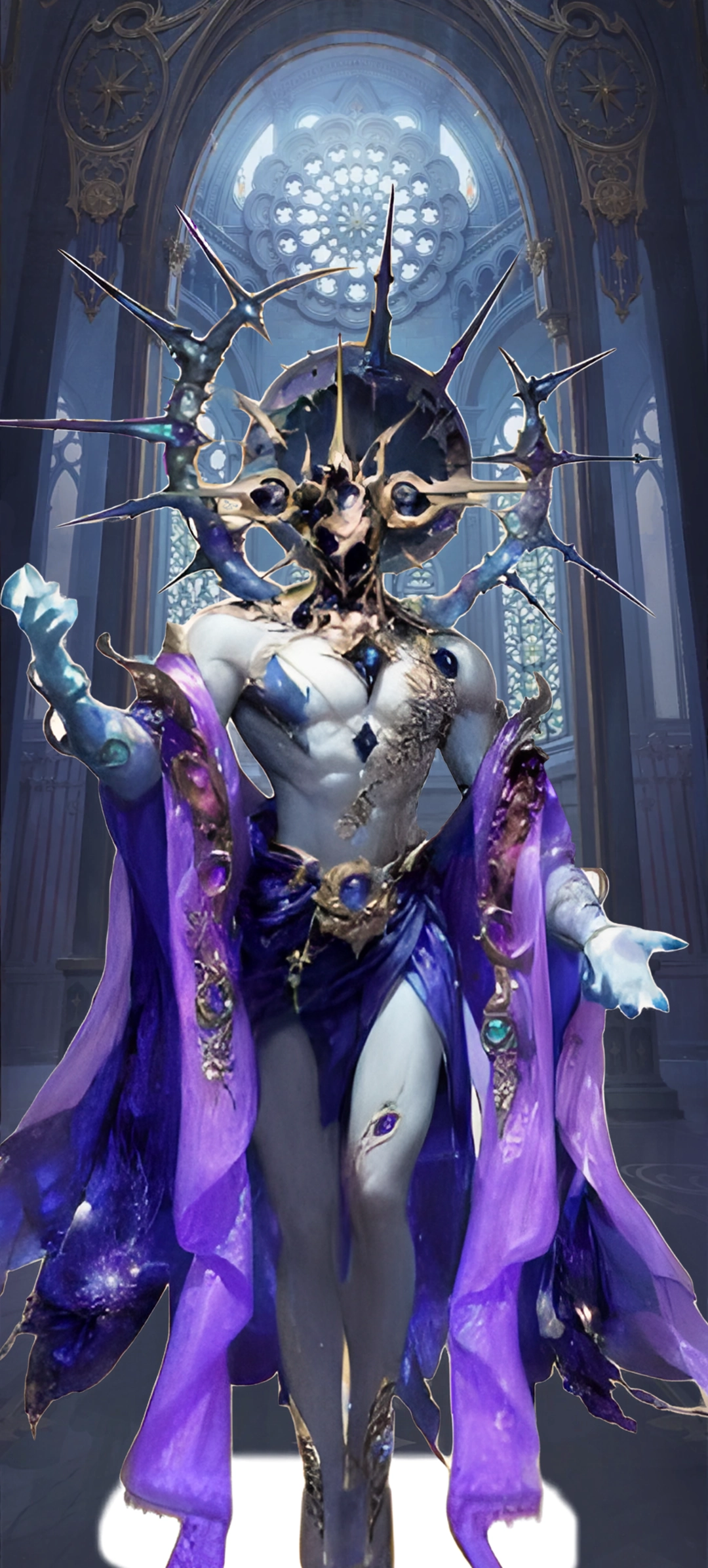
Cronus is a Legendary Support of the Starglint faction whose kit is built around a single strategic archetype: Turn-Tempo Manipulation. He is not a healer, not a main DPS, and not a straightforward plug-and-play unit. Instead, his entire design revolves around making enemy skill rotations slower while making his own team's rotations faster and more impactful.
His kit accomplishes three things simultaneously: controlling tempo by debuffing enemy ATK Speed, cooldowns, and Energy regeneration; manipulating cooldowns to generate extra cast windows for allied carries; and saving team members from death through a time-rewind mechanic that restores a near-dead ally to their best state within the last 5 seconds.
Based on kit analysis, Cronus is mechanically very likely to be strongest in PvP and in difficult push stages where fight outcomes are decided by tempo and narrow burst windows rather than raw DPS output. In pure boss damage races he is more situational. His Relic is not an optional enhancement -- the Projection system is the mechanic that defines his endgame identity.
Guide data sourced from official TapTap CN skill preview (release 24.12.2025, event 溯时轮回) and full skill text analysis. Ratings are mechanics-based assessments, not community-confirmed tier placements. Numerical stats not yet available.
Cronus draws on the Greek mythological figure associated with time -- frequently conflated with Kronos the Titan and Khronos the personification of time in later traditions. In the game, Cronus is titled God of Time and is officially described as a Starglint faction Support whose identity revolves around rewinding allies, reducing cooldowns , and summoning projections . The game channels this mythological duality into his mechanical design as a master of temporal flow on the battlefield.
- Temporal Vortex channels his dominion over time -- slowing, warping, and ultimately freezing the temporal flow for his enemies
- Ferry of Time represents his ability to reach across time and pull a projection of a past ally into the current moment
- Temporal Rift is a tear in the fabric of space and time -- used to rearrange positioning as though repositioning pieces on a board outside time
- Rewinding Remains embodies his most personal power: the ability to reverse time for a single ally, restoring them to a healthier state moments before a lethal blow lands
- Echo of Causality reflects cause and effect across time -- when a chosen traveler acts, Cronus ensures that action reverberates a second time
- Cronus's Relic, Ferry of Time, periodically projects an allied god into the current battle. The projection remains active for a set duration.
- The projection carries a share of Cronus's own ATK and HP -- it scales with how Cronus is built, not with the stats of the unit being projected.
- The projection copies all skills of the projected ally, providing a temporary second caster of that unit's entire kit.
- At Relic Lv2, when the projection spawns, all skill cooldowns reset across the board -- enabling a second full-rotation window at the moment of projection arrival.
- At Relic Lv3, projection duration is extended, increasing the window for the copied skills to fire.
- At Relic Lv4, the projection spawns with initial Energy -- enabling it to fire an Ultimate almost immediately upon entering the field.
- The core loop: Cronus slows and disrupts enemies -- Projection spawns as a copy of a key ally -- Relic Lv2 resets all CDs -- the team fires a second full rotation within one fight window.
- Relic Lv1: Projection is active -- viable as a temporary allied copy, but the impact is limited without the CD reset.
- Relic Lv2: CD reset on projection spawn -- the first genuine power spike. This is the minimum competitive investment level.
- Relic Lv4: Projection spawns with Energy -- the endgame breakpoint where Cronus transitions from strong support to a tempo-multiplying carry.
- Cronus's endgame identity visibly depends on the Relic. Relic Lv2 is the first competitive breakpoint. Relic Lv4 is the point where Cronus transitions from strong utility support to fight-warping tempo multiplier. This assessment is directly derivable from the official skill text.
 Temporal Vortex Ultimate
 Summons a Temporal Vortex that deals damage to all enemies and reduces their ATK Speed and Movement Speed for a duration.
 Ferry of Time Relic
 Passive. At intervals, Cronus projects an allied god into the current battle. The projection carries a share of Cronus's ATK and HP and copies all skills of the projected unit.
 Temporal Rift Active
 Teleports the nearest enemy to the position of the farthest target; deals damage and Stuns both affected targets.
 Rewinding Remains Passive
 When an ally is near death, Cronus rewinds them to their best state within the last 5 seconds -- restoring HP and stats to that prior snapshot. The saved target's ATK and ATK Speed are reduced for a duration after the rewind.
 Echo of Causality Passive
 Selects the allied character with the highest Cooldown Reduction stat as the Space-Time Traveler. After that character executes their active skill, the skill triggers once more.
- 1. Echo of Causality (Passive 2) -- Pre-battle CD reduction at Lv3 creates a team-wide tempo advantage from the opening second; the double-cast on the Space-Time Traveler is the constant engine of Cronus's value
- 2. Ferry of Time (Relic) -- Lv2 CD reset on projection spawn is the first major power spike; Lv4 initial Energy is the endgame breakpoint. Minimum competitive level: Relic Lv2
- 3. Temporal Vortex (Ultimate) -- Lv4 Energy block prevents enemies from naturally regenerating Energy during the debuff window, compounding the anti-tempo effect significantly
- 4. Rewinding Remains (Passive 1) -- Lv3 self-save makes Cronus significantly harder to eliminate by focus-fire; upgrade after the core offensive systems are established
- 5. Temporal Rift (Active) -- Lv3 CD reduction loop accelerates formation disruption frequency; strong but lower priority than the passive systems that define Cronus's identity
* Mechanics-based ratings derived from official skill text analysis (TapTap CN preview, 24.12.2025). Not community-confirmed tier placements. Numerical stat data pending.
Cronus needs to survive long enough for his passive systems to fire. Rewinding Remains and Echo of Causality both operate passively -- they require Cronus to be alive and not disrupted when the trigger conditions are met. Place him in a protected backline slot, not exposed as a frontline target.
Rewinding Remains Lv3 provides built-in self-insurance: if Cronus would die, the effect triggers on himself once. This is not a substitute for correct positioning -- it is a safety net when positioning fails or when the opponent focuses him specifically.
Front: Tank or Taunt unit (Momus, Athena) -- absorbs opening burst and ensures Cronus's passives fire into the first fight phase without interruption.
Mid: Skill-heavy carry designated as the Space-Time Traveler. Build CDR on this unit to guarantee Echo of Causality targets them. Their active skill will fire twice every rotation.
Back: Cronus plus secondary support. Cronus should be the last unit the opponent reaches, as his value compounds the longer he survives.
These are best-fit compositions based on mechanical role analysis. They are plausible and well-reasoned but not yet verified as established CN-meta standard lineups.
Best-fit allround Cronus shell based on role synergy analysis. Cronus provides tempo control, formation disruption, and near-death saves for the team. Isis is a skill-dependent carry that benefits directly from Cronus's protective utility and extended cast windows. Cashien accelerates team Energy cycles for faster Ultimate rotations. Athena stabilizes the frontline and protects Isis. Yuelao adds defensive stat sharing and sustained healing.
- Cronus's Rewinding Remains saves Isis if she is focused -- allowing her to survive the first burst wave and continue dealing damage into the later fight phase.
- Cashien's Energy acceleration compounds with Echo of Causality Lv3's pre-battle CD reduction, ensuring the team reaches first Ultimates faster and maintains rotation frequency throughout.
- Ideal for PvP and difficult push stages where tight fight windows and extra cast opportunities determine the outcome.
Recommended anti-tempo shell for PvP through tempo stacking and formation disruption. Cronus delays enemy skill rotations and displaces priority targets. Poseidon layers AoE crowd control that creates compounding control windows. Hela scales into a dominant damage source as the fight extends. Athena protects Hela against burst elimination. Momus anchors the frontline with a reliable taunt.

- Poseidon's AoE CC creates windows where Cronus's displaced enemies are simultaneously stunned and repositioned -- maximum disruption layered without requiring tight execution.
- Hela benefits directly from Cronus's time-buying: more seconds alive means a higher Hela damage stack, and Rewinding Remains provides insurance against burst elimination.
- Strong against fragile backline teams and compositions that rely on fast opening Ultimates to establish control.
Aggressive composition that exploits Cronus's Temporal Rift to expose backline targets for Bastet. Cronus breaks positioning and creates chaos while Bastet focuses the highest-priority exposed carry. Poseidon layers AoE crowd control to compound the disruption. Cashien accelerates team Energy so Cronus and Bastet reach their actives faster. Athena protects Bastet and Cronus against counter-burst.
- Cronus's Temporal Rift teleports the nearest enemy to the farthest position, shattering the enemy formation -- this directly improves Bastet's access to squishy backline targets.
- If Bastet does not snowball quickly the team has limited sustain fallback -- the formation-break approach is high-risk, high-reward and punished by tanky or self-sustaining opponents.
- Best used against teams with fragile backline carries or Support-dependent compositions where disrupting positioning collapses the enemy win condition.
For longer fights with high snowball potential. Hela scales with fight duration, and Cronus's entire kit is designed to extend fights and throttle the pace at which the opponent can eliminate allies. Rewinding Remains provides direct insurance against burst elimination during Hela's ramp phase. Yuelao adds sustained healing to further extend fight length.
- Hela's damage output compounds with every extra second she survives -- Cronus's tempo denial and Rewinding Remains save directly translate into higher Hela damage ceiling.
- Best in defensive PvP setups and tight stage pushes where controlled, extended fights favor scaling damage over raw burst.
- Cashien accelerates Energy cycles so Hela and Cronus cycle their Ultimates more frequently, reinforcing the anti-tempo suppression loop.
A playable early option for players who pull Cronus before building a full endgame roster. Hecate provides reliable skill-based DPS. Athena stabilizes the frontline. Cashien supports Energy cycles. Khepri adds engage and CC windows. Cronus carries through utility rather than raw multiplier output at this investment level.

- Not an endgame lineup -- treat this as a transitional shell until a stronger carry (Isis, Hela) is available to take Hecate's slot.
- Cronus's passive systems still provide full value here -- the limitation is Hecate's lower ceiling compared to top-tier carries, not Cronus's own output.
- AoE anti-tempo Ultimate reduces enemy ATK Speed, delays active skills, and blocks Energy regeneration -- three distinct debuff layers in one cast
- Temporal Rift is Formation Break plus Double Stun -- very effective against backline-dependent and positioning-reliant compositions
- Rewinding Remains provides a save mechanic that restores an ally's full state, not just HP -- Energy and buffs are preserved at the prior snapshot
- Echo of Causality doubles one ally's active skill every rotation -- a consistent, passive damage and utility multiplier that requires no execution overhead
- Projection system creates a second temporary version of a key ally -- at Relic Lv2 paired with a CD reset, this amounts to a second full team rotation
- Temporal Rift Lv3 self-accelerates on cast frequency -- the more your team plays actively, the faster formation disruption returns
- Scales with team quality: the stronger the ally designated as Space-Time Traveler or projected, the higher Cronus's multiplier output
- Not a top pick for pure single-target boss DPS races where tempo manipulation and formation disruption are irrelevant
- Value scales with ally quality -- if the carry pool is weak, Cronus loses significant multiplier output
- Relic-dependent: without Relic Lv2 the Projection system lacks its defining CD reset; without Lv4 the projection's impact is delayed
- Against raw stat-check teams that simply overwhelm utility through damage output, Cronus's kit cannot compensate for large stat disparities alone
- Rewinding Remains reduces the saved target's ATK and ATK Speed after triggering -- the saved ally is temporarily weakened following the rescue window
The following partners are role-fit synergies based on mechanical analysis -- not verified CN-meta top picks. They represent the strongest archetype matches derived from Cronus's skill text.
The best-fit allround Cronus carry partner based on kit synergy. Isis is a skill-dependent damage source that benefits directly from Cronus's protective utility and extended cast windows. Rewinding Remains saves her from burst, Echo of Causality doubles her active, and the Projection can create a temporary second Isis in critical fight phases.
Primary frontline protector for Cronus and the designated carry. Athena's shielding ensures Cronus survives long enough for his passive systems to fire, and buys the seconds needed for Rewinding Remains to save a near-dead ally. Present in almost every viable Cronus composition.
AoE crowd control that compounds with Cronus's tempo suppression. Poseidon's CC creates the first control window that allows Temporal Rift to land cleanly, and his AoE grouping maximizes the disruption from Cronus's formation-break displacement. Strong PvP partner.
Team-wide Energy acceleration that compounds with Echo of Causality Lv3's pre-battle CD reduction. More Energy means earlier Ultimates and faster active skill rotations, which in turn accelerates Temporal Rift's Lv3 CD reduction loop. Core support partner in most Cronus compositions.
Ramp damage source that benefits from Cronus's time-buying. Hela scales with fight duration -- and Cronus's entire kit is designed to extend fights and reduce the pace at which the opponent can eliminate allies. Rewinding Remains provides direct insurance against burst elimination of Hela during her ramp phase.
Snipe DPS that exploits the positioning chaos created by Temporal Rift. Cronus's formation break exposes backline targets that Bastet can then focus. The combination is aggressive and high-risk -- if Bastet does not snowball into the disrupted formation, the team lacks sustain fallback.
Sustain and defensive stat sharing that extends the viability of Cronus's passive systems. Longer fights mean more Projection spawns, more Rewinding Remains triggers, and more Echo of Causality double-casts. Yuelao is the preferred secondary support when the composition prioritizes extended control over burst aggression.
Dive and engage support that creates CC windows through direct frontline pressure. Khepri's engagement extends the chain of control states that feed into Temporal Rift's Lv3 CD loop, and his frontline disruption buys time for Cronus's passive systems to accumulate value.
Additional frontline stability and taunt effects that buy time for Cronus's passive systems to fire. Momus absorbs the opening burst wave and ensures Rewinding Remains and Echo of Causality can operate without Cronus being disrupted in the first fight phase.
Anti-backline specialist who layers well with Cronus's formation displacement against squishy Mage and Archer targets. Strong in Arena matchups with soft backlines; less effective against highly tanky or self-sustaining compositions.
Reliable skill-based DPS for transition and budget compositions. Does not reach the ceiling of top carries like Isis or Hela, but provides consistent active-skill output that activates Echo of Causality and feeds into Temporal Rift's Lv3 CD reduction loop.
Cronus plays as a tempo multiplier whose output is determined by the quality of the allies he supports and the fight duration he can secure. He is not a hero you slot into any lineup -- he demands a team with at least one strong skill-based carry who can become the Space-Time Traveler and benefit from doubled active casts, plus a frontline capable of buying enough seconds for his passive systems to fire.
The core rotation is not mechanical -- it is structural. Cronus's Ultimate slows and debuffs the enemy team while his passive systems handle ally preservation and cast amplification automatically. Temporal Rift provides on-demand formation disruption that should be used to expose specific targets or create Stun windows for your carry. Rewinding Remains fires passively when an ally approaches death -- no input required, which frees attention for team orchestration.
Investment path matters here more than in most heroes: Relic Lv2 is the first competitive breakpoint, transforming the Projection from a minor bonus into a team-wide second rotation trigger. Below that level, Cronus is a strong utility support. Above it, he becomes a highly disruptive tempo asset whose PvP and push value is mechanically very likely to place in the upper segment. Cronus is not an early-game solo fix -- he is a multiplier for accounts that already have quality in the core roster.